
After 10 years of revolution, nothing remains but its name: Syrian opposition figure
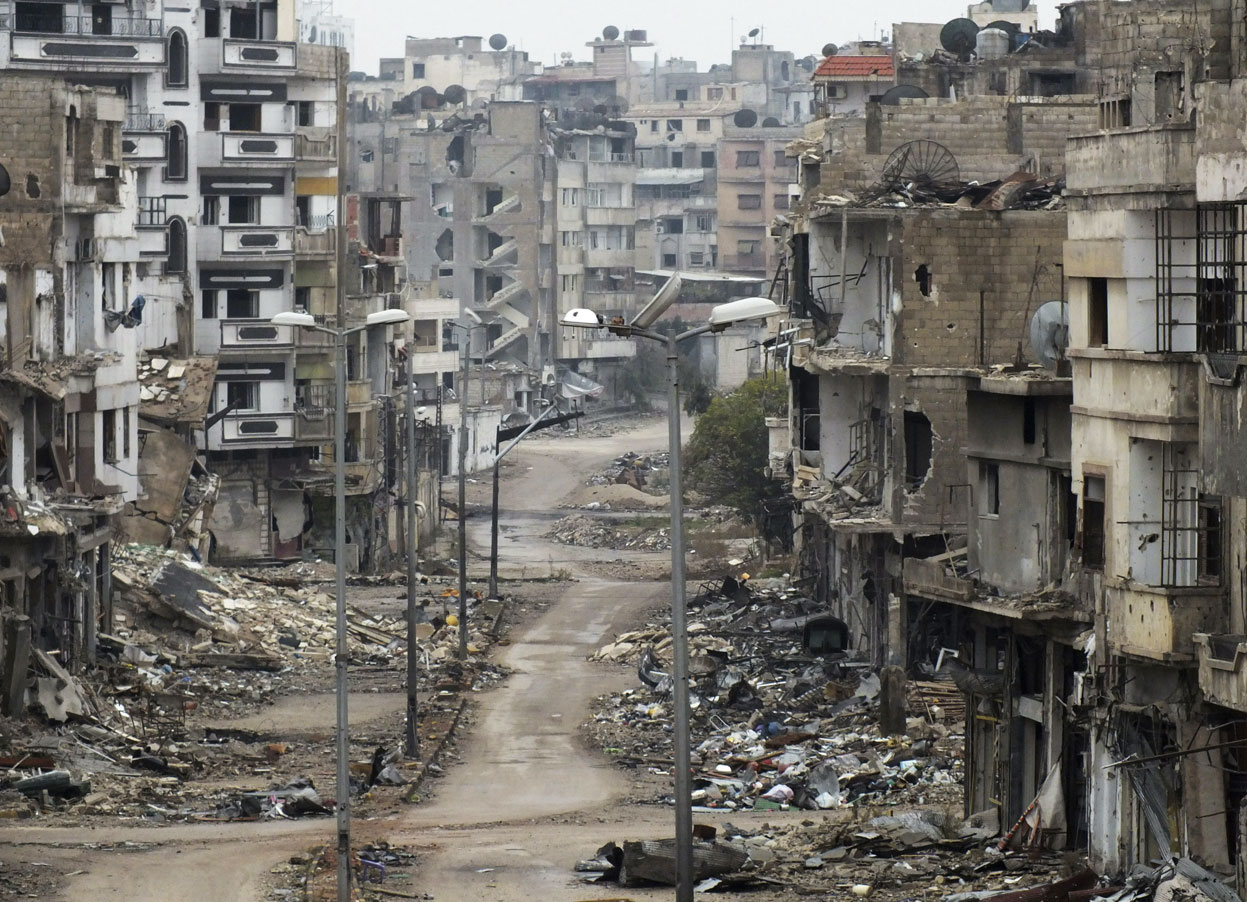
QAMISHLI, Syria (North Press) – Ali Kalo (a pseudonym), a Syrian opposition figure, said Sunday that after “ten years of the Syrian revolution, there is only its name and some hopes and dreams about a democratic revolution and groups trying to ride on what’s left of it, internationalizing both the Syrian issue and the Syrian revolution.”
“Since the first year of the revolution, the regime has searched for an enemy of its own race to justify the brutal repression it used against the peaceful demonstrators, so it took the initiative to release the Islamist leaders from Sednaya Prison,” said Kalo.
He gave an example of Islamist leader Zahran Alloush, who later formed armed Islamist groups in all parts of the country.
“We still remember the case of the first armed group in Damascus called Ababil Horan in Yarmouk Camp,” he added.
He revealed that “the statement by Muzal, who assumed the name of Sheikh Abu Omar, was just a statement, as he was later exposed to be still working in the Palestine Branch, and that the formation of the (opposition) group was one of the tasks that he carried out for the benefit of the branch.”
“The young group that participated in the revolution was driven by the developments that were in the interest of the regime and non-democratic Islamists,” he said.
He noted that that group supported armed movement (of the opposition) without any considerations, vision, or fear of “the danger of a loss of the peaceful character of the revolution.”
The Syrian revolution, according to Kalo, constituted “a crossroads in the shape and nature of people’s lives and gave hope when it broke out, with an upcoming democratic change that would carry prosperity at all levels, different from the ruling clique that controls the joints of the state.”
But then, “we did not realize the seriousness of the situation. We were not aware of the circumstance, and we considered that the absence of political currents and parties from the scene was a kind of opportunism to wait for the fruits of the revolution to be reaped without effort.”
Kalo added, “This is what was promoted to us by all parties that had an interest in removing democratic political currents from the context of the revolution, such as the regime and Islamic currents supported by the Gulf.”
Kalo expressed his hope that some democrats, the few within the opposition, would “save what can be saved from Syria, even within the current circumstance in which the majority of opposition groups have agendas of countries to implement.”