
UN too close to Syrian government – FT investigation
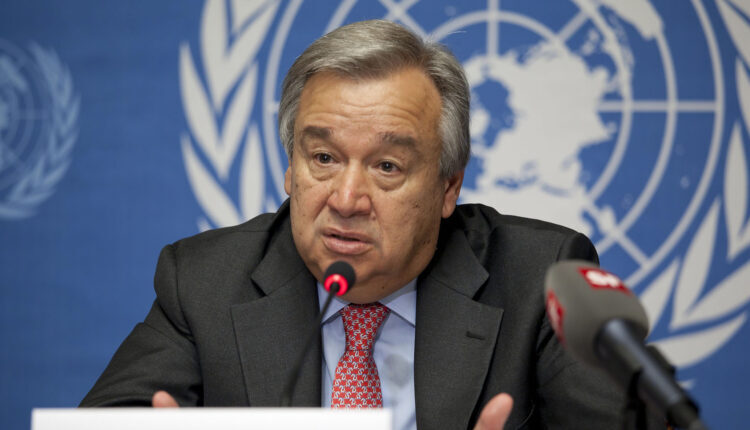
QAMISHLI, Syria (North Press) – UN agencies in Syria harbor too close ties with the Syrian government, neglecting human rights obligations, an investigation by the British Financial Times newspaper said.
In one instance, the Financial Times found the daughter of Hussam Louka, head of Syria’s general intelligence directorate, who has been sanctioned by the US, EU, and UK over human rights violations, working for the UN Central Emergency Response Fund office in Damascus.According to one NGO worker in Syria, such nepotism is rampant among NGOs in Syria, including the UN.
The Financial Times also found that the UN paid the Four Seasons Hotel in Damascus $11.5 million to house its staff in 2022; since 2014, it has forked up $81.6 million. The hotel, as well as its majority owner, have been sanctioned by the US over their financial ties to the Syrian government. Millions more are syphoned off by the government by imposing an unfavorable dollar-to-pound exchange rate on NGOs.
The UN’s main partner in Syria is the Syrian Arab Red Crescent (SARC). It too is run by an associate of the Syrian government. The SARC has also been linked to corruption and stealing aid going to the Kurdish-inhabited Shahba Region, as well as the Kurdish-majority Sheikh Maqsoud and Ashrafiya neighborhoods of Aleppo. By neglecting to provide these Kurdish-dominated regions with aid, the SARC may be in violation of the 1949 Geneva Conventions.
In many instances, the UN has little choice but to comply with the government’s demands. To not do so would risk not being able to operate in Syria at all. However, previous investigations also found deep ties between UN agencies and the government. One such study, by the Middle East Institute, estimates that a quarter of the top 100 suppliers listed as receiving UN procurement funds between 2019 and 2021 were sanctioned by the US, EU, or the UK, or owned by sanctioned individuals. The study concludes that UN agencies “do not sufficiently incorporate human rights safeguards in their procurement practices … which exposes them to significant reputational and actual risk of financing abusive actors.”
The UN has rejected the allegations, saying that they have contracted no partners included on international sanctions lists in Syria. However, the UN has also acknowledged “failures” in their aid provision after the earthquakes on February 6, particularly to opposition-held territories.
Almost 5.4 million people have been affected by the earthquakes in Syria. Over 6.000 people have died, a majority in opposition-held areas. Outside aid was slow to arrive to these regions in the immediate aftermath of the disaster.