
UN official plans to visit Syria to assess humanitarian situation
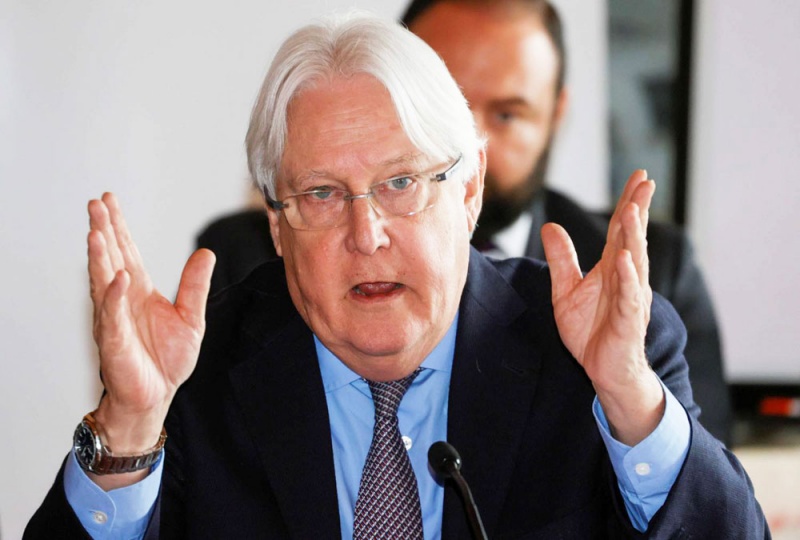
QAMISHLI, Syria (North Press) – A UN official plans to visit Syria, Lebanon and Turkey in the coming period, amid the worsening humanitarian situation for Syrians inside the country and refugees in the neighboring countries, in addition to an increase in killings in Hawl Camp, which houses families of ISIS militants, in northeast Syria.
He is planning a visit Syria, Turkey and Lebanon with the aim of gaining a “deeper understanding” of the Syrian crisis, said Martin Griffiths, the UN Under-Secretary-General for Humanitarian Affairs, during a session of the UN Security Council.
Griffiths did not specify the date of the visit or how long it would be, but news agencies cited him saying: “To gain a deeper understanding about my new job and the complexities of the humanitarian crisis in Syria, as well as the challenges facing us in the coming months.”
In June, Griffiths was appointed as Under-Secretary-General of the United Nations for Humanitarian Affairs after the end of his mission as a UN envoy to Yemen.
During the session held at the United Nations headquarters in New York, Griffiths warned that ongoing hostilities, economic crisis, water shortages and COVID-19 are driving humanitarian needs for millions of already vulnerable people to some of the highest levels that we have seen since the start of the conflict.
“The reauthorization will help ensure humanitarian assistance continues for over 3.4 million people in need, including in that 1 million children,” he added.
In July, the UN Security Council issued a resolution extending the mechanism for the entry of humanitarian aid through the Bab al-Hawa border crossing with Turkey into northwestern Syria, in two phases, each lasting six months.
However, the al-Ya’roubiyah crossing, designated for the entry of aid to the residents of northeast Syria, remained closed after the repeated Russian veto.
On August 19, the Autonomous Administration of North and East Syria said that the United Nations agencies, through their official offices in Damascus and Qamishli, are following the policy and whims of the Syrian government by selecting projects and imposing conditions for partnership with local bodies linked to the Syrian security services.