
Syrian official says SDF dissolution ends parallel state structures in Hasakah
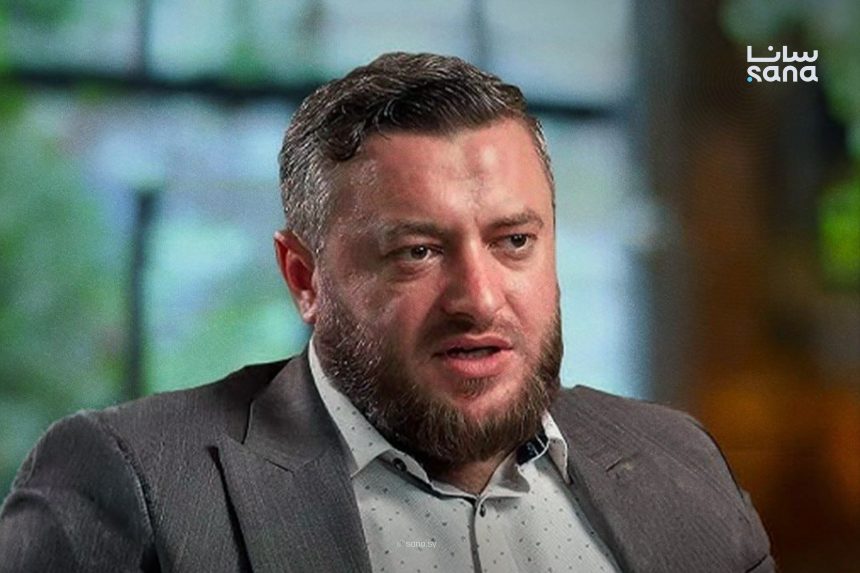
HASAKAH, Syria (North Press) – A Syrian official on Wednesday said the announcement of the dissolution of the Syrian Democratic Forces (SDF) and the Autonomous Administration marks “the end of the parallel political, military and administrative framework to the state,” noting that this does not mean work on implementation files will stop.
Ahmad al-Hilali, spokesperson for the presidential team overseeing SDF integration agreement and deputy governor of Hasakah Governorate, northeastern Syria, told North Press, “We will not begin a new agreement. Rather, implementation of the existing agreement will continue, but after the framework that previously housed these institutions has been dismantled.”
He said files requiring additional administrative, security, financial or service-related measures will be transferred to the relevant ministries and government institutions, giving each file “a clear official authority.”
“There will be no institutions outside the framework of the state after the dissolution,” he said, adding that some institutions and files still require procedures for transfer, handover and administrative integration.
Al-Hilali said work on the civilian side is focused on unifying institutions and service and administrative departments and linking them to the relevant central ministries, so that decisions, resources and personnel become part of the state’s administrative system.
On the security side, al-Hilali said, “There can be no independent security service in Hasakah Governorate outside the Interior Ministry, nor an independent military force outside the Defense Ministry.”
Regarding the timeline for completing the remaining files, al-Hilali said work is underway to finalize them “as quickly as possible,” but that he does not want to announce an “arbitrary” deadline before it is linked to the plans of the relevant ministries and executive bodies.
“What matters is that the political decision has been settled. What remains are executive procedures, and these procedures must be completed according to clear work schedules, not through new political negotiations,” he said.
Regarding Hasakah Governorate’s budget, al-Hilali said Hasakah “does not have a separate budget in the sense of being a state within the state.” Instead, its budget and resources will become part of Syria’s public financial system in accordance with applicable laws and regulations.
He explained that any public revenues or resources in the governorate must enter official financial channels and be managed by the relevant government institutions. The governorate’s allocations will then be provided through the state’s general budget according to its needs and development and service plans.
He stressed that “the governorate’s resources do not belong to a political entity or military organization, but are public resources belonging to all Syrians,” adding that Hasakah residents have “a full right to see the impact of these resources on their lives, services and the development of their governorate.”
Al-Hilali said the next phase will end the practice of multiple entities collecting revenues or managing resources and establish “a single official financial authority and a clear financial process that can be held accountable and monitored.”
“As for strategic resources, such as oil, gas, border crossings and public facilities, they are by their nature sovereign resources and must be managed through Syrian state institutions, ensuring that their benefits return to the state, governorates and citizens within the legal framework,” he said.