
‘Crippling’ consequences of fuel shortage – OCHA
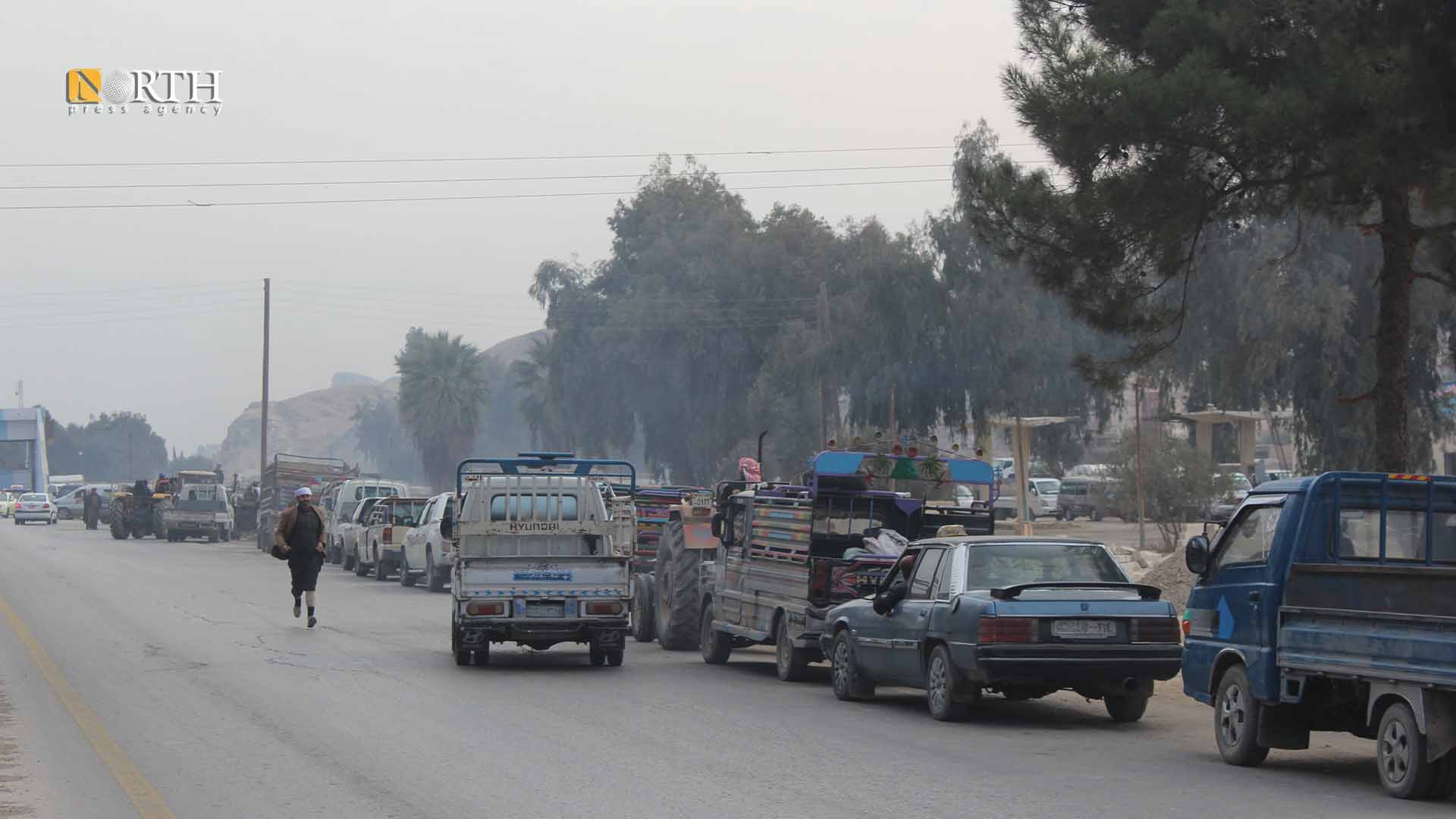
QAMISHLI, Syria (North Press) – The United Nations Office for the Coordination of Humanitarian Affairs (OCHA) said on Tuesday that Syria’s fuel crisis “unprecedented”. It is having a critical effect on education, healthcare, water provision, and the affordability of basic supplies, among others.
“The shortages have been crippling daily aspects of life since […] the beginning of December,” OCHA reported. “In the past, when such shortages occurred, fuel was available, albeit at prohibitive prices for most. Today, fuel is simply unavailable, no matter the price.”
The Syrian government is preparing a rationing plan for critical facilities until new shipments of oil arrive, their statement reads.
Two weeks ago, the Wall Street Journal reported that Iran would stop cheap oil supplies on credit, which had kept the Syrian government afloat by covering roughly half of the country’s fuel needs. State media was quick to deny these claims. However, Iran has said it would not send another shipment until March – an unprecedented 11-week hiatus.
The OCHA pointed out that critical projects in Syria have been affected by the shortage. It said to have cancelled 40 percent of humanitarian aid distribution, while over two-thirds of its project partners in the region have said they have reduced their activities.
The assessment said that 4.1 million people have been affected by disruptions in OCHA’s crucial water-delivery projects. Moreover, nearly a third of teachers in non-formal education projects are unable to reach their schools. Basic commodity prices have shot up by 30 percent, the OCHA report read.
As humanitarian support, too, falters underneath Syria’s crippling oil shortage, it will leave civilians in government-held areas even more exposed to the ongoing crises in the country.