
Syria faces fuel crisis as Iran stops cheap oil supply – WSJ
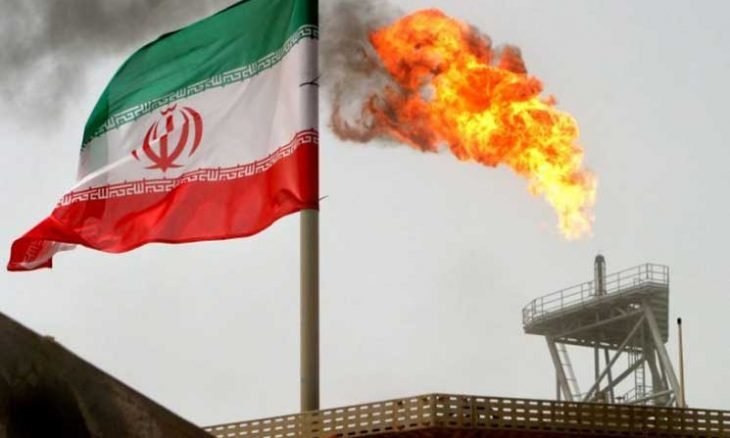
QAMISHLI, Syria (North Press) – Iranian officials have informed the al-Assad government that further cheap oil shipments bought on credit will not be forthcoming. Damascus will now have to buy Iranian oil at market price – and pay up-front, said a report by the Wall Street Journal (WSJ).
Until recently, Syria received two monthly shipments of oil from Tehran at $30 per barrel. Iran also provided Syria with a credit line to alleviate pressure on its economy. That arrangement has been discarded by the government in Tehran. Oil will now be sold at $70 per barrel – around market rate – and it will no longer be provided on credit.
Furthermore, Iran has refused to increase the supply of crude to meet higher demand and will likely not send another shipment until March – an 11-week hiatus.
Syria depends on Iran for more than half of its oil needs. Most of Syria’s oil fields fall under the control of the Autonomous Administration of North and East Syria (AANES). While a limited trade between the two bodies exists, the AANES is itself facing a disruption of its oil supply after Turkey bombed critical oil infrastructure in November 2022.
Iran is also experiencing economic strain. “Now we are ourselves under pressure,” the WSJ quotes Hamid Hosseini, a spokesman of the Iranian Oil, Gas and Petrochemical Products Exporters’ Union, as saying. “There is no reason to sell to Syria at low prices.”
A further reason for the volte-face could be Damascus’ recent rapprochement with Ankara. As both country’s hold the highest-level diplomatic talks since the beginning of the Syrian civil war (with Russian mediation), Iran is likely to feel sidelined and want to flex its political muscle.
The current fuel shortage in Syria is the “worst” since the beginning of the civil war, an analysis quoted in WSJ says. Transport costs have surged; prices of basic goods have skyrocketed. Factories in government-run regions have shut down, as did several government administrative offices for several days in December in order to save on fuel, the article reports.
Whatever Tehran’s ambitions, this move is likely to drive millions of Syrians further into poverty.