
World too preoccupied with Afghanistan for Syria: Idlib Civil Council
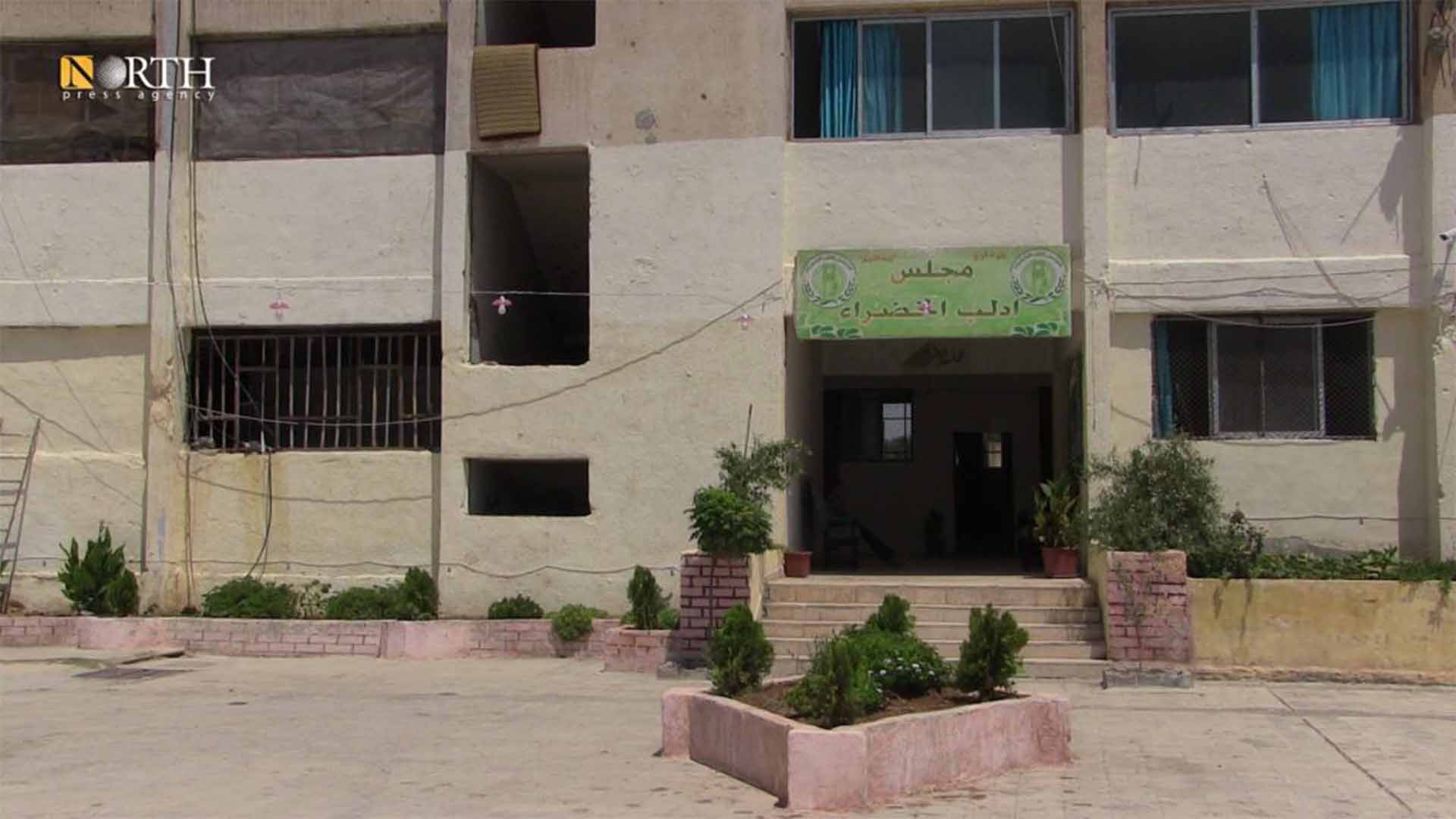
RAQQA, Syria (North Press) – Co-chair of Idlib Civil Council in northeast Syria Haytham Abdullah said that the world is too preoccupied with Afghanistan to devote attention to events in Syria.
The Idlib Civil Council is an administrative unit which is headquartered in the city of Raqqa. It was established in July 2019 and is affiliated with the Autonomous Administration of North and East Syria (AANES), specializing in managing and following up on the affairs of IDPs from Idlib city and its countryside residing in northeastern Syria.
“In light of these recent political events, the world isn’t paying any attention to Syria and what is happening in Tel Tamr, northeastern Syria, all the way to the south in Daraa,” Abdulla said.
The Syrian-Turkish border regions are witnessing repeated shelling, from Tel Tamr to the countryside of Manbij and al-Bab, which is held by the Autonomous Administration of North and East Syria (AANES), in conjunction with Russian bombing of Turkish-backed armed Syrian factions in Idlib and bombing by Damascus government forces in Daraa.
Abdullah indicated that there is a state obstruction of any vision or political orientation regarding Syria at the present time.
“There is constant contact with the people of Idlib, and there is constant awareness of the suffering and tragedies In light of the control of extremist organizations and Turkish practices in the city,” he said.
He added, “We are still working and we hope to wait for a real role for the international community to move and help get rid of the militants in Idlib.”
On Wednesday, a delegation from the Idlib Council visited the headquarters of the Presidential Commission in the AANES, and the delegation discussed with the Presidency Commission the latest political developments in the region at the local and international levels, and the difficulties the Council faces in supporting Idlib’s displaced in the region.
These visits come in pursuit of permanent communication, coordination, and follow-up between the Autonomous Administration and the Council, in addition to developing solutions to the obstacles that may face the Council and joint consultation to develop perceptions and solutions to all issues at all levels, according to Abdullah.