
Suspension of Raqqa’s vital utilities and governmental negligence following the defeat of ISIS
Raqqa – North-Press Agency
Sam al-Ahmad
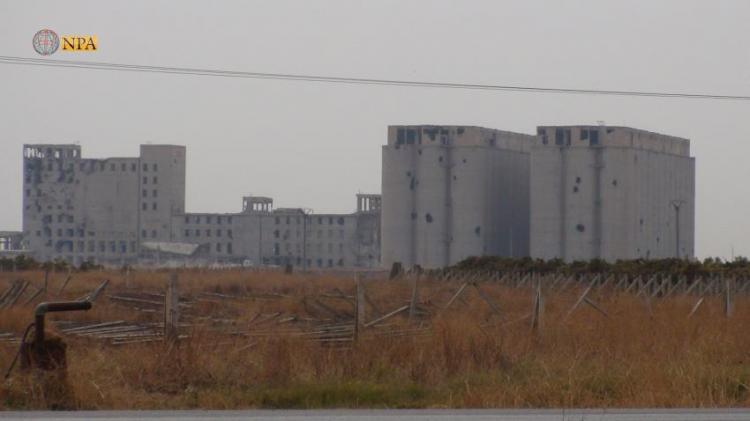
Destruction and devastation can still be seen in most vital utilities, strategic installations and most of the infrastructure in Raqqa areas and related countryside of Aleppo and Deir ez-Zor, which are controlled by the Syrian government. More than a year and a half have passed since the defeat of ISIS in these territories, which used these public utilities as bases and weapons' depots, which were targeted later by the Global Coalition and the Russian aircraft.
During a tournament of North Press among the main vital utilities in the region, the former engineer of Sugar Factory which lies on Maskana road near Raqqa, Mohammad Obeid al-Jassem said: "The initial cost of rehabilitating the Sugar Factory, which was the largest factory in northeastern Syria is more than $20 million.” He added the government faces major obstacles to reform it, the most important are the economic sanctions imposed on it, the inability to bring Western companies to maintain the factory, which was severely destroyed, and the destruction and disruption of its machines during the control of ISIS.
The effects of the fighting and the intensity of the shelling can be seen on bridges, grain silos, factories and even school buildings in the region. Youssef al-Hussein, a citizen from the town of Debsi Afnan in the western countryside of Raqqa, said that ISIS used to keep its mechanisms and weapons inside public utilities and even grain silos deliberately. Targeting those mechanisms and weapons have led to significant destruction of these utilities.
"ISIS intended to destroy these utilities that serve our regions. Apparently, that systematic destruction had goals which we don't know about,” al-Hussein said.
Cement factories, electric stations, vital bridges, cultural centers in addition to grain silos and vital roads, most of these infrastructures and utilities have had their share in the aftermath of the war and its devastating effects. The inhabitants of the countryside of Raqqa suffered a lot from that destruction. Fahd Omar al-Shummari, a resident of the town of Maadan, which lies on the administrative borders between Raqqa with Deir ez-Zor, said: "We need more attention from officials and the Syrian government agencies. The services provided are insufficient and don't serve all areas, they need real reconstruction, and not emergency aid that doesn't take into account our needs and demands.” He added they had received some assistance from the Syrian government, but it didn't meet the needs of the region.
Meanwhile, life continues in the areas of Deir ez-Zor and the countryside of Raqqa with difficulties, the volatile economic situation and the Turkish military invasion in north-eastern Syria, in addition to the absence of clear development plans for the Syrian government are delaying factors of the stability of these territories in terms of living and economic sides.