
Mazloum Abdi says Syrian Kurds enter new phase in building Syria
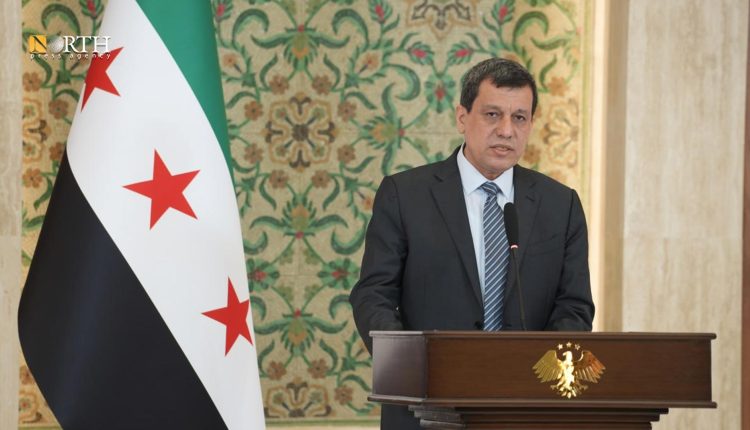
QAMISHLI, Syria (North Press) – Syrian Presidential Adviser Mazloum Abdi said Kurds have entered a new phase in Syria, participating for the first time in state-building with their own identity.
Abdi said it was “not true that we lost everything,” despite the end of conditions that had allowed Kurds in previous years to establish self-administration, institutions and an independent military force.
In an interview with journalist Irfan Aktan published by Amargi, Abdi said Syria was undergoing reconstruction following the fall of the Baath government and that Kurds had become part of the process.
He said the goal was to preserve the gains achieved by Kurds and build on them to secure their full rights.
Abdi described the Jan. 29 agreement as the best option for the Kurdish people, saying that failure to reach it would have led to continued war, more casualties and further displacement.
Syrian Kurds want to resolve their issues through dialogue and peace rather than war, Abdi said, adding that they now have a political path to establish their rights in the Syrian Constitution.
Despite losing some capabilities available to them during the war years, Kurds are now represented in state institutions with their own identity, Abdi said. He added that people from the region continue to participate in security, administration and military institutions.
For the first time, the Syrian state recognizes the existence of Kurds and their status as part of the country, he said.
On cultural rights, Abdi said the Kurdish language is now recognized as a national and educational language and has been introduced into the education system, although its implementation has not yet been expanded nationwide.
He said work would continue to develop and consolidate these rights.
Abdi stressed the need for Kurdish participation in drafting the Syrian Constitution, saying their representation on the upcoming constitutional committee was essential to ensure recognition of their rights and incorporate the substance of agreements reached with Damascus into the Constitution.
Regarding his new position as a presidential adviser, Abdi said the appointment reflected his commitment to working for Kurdish rights in Syria.
He said his primary goal was to serve his people, while his work in Damascus would serve Syria as a whole and seek to ensure that Kurds secure the position they deserve.
Regarding Turkey, Abdi said communication channels between the two sides remained open and that he wanted relations to return to normal after years of conflict.
He said a ceasefire was in place and that there was a desire to develop relations in a way that served the Syrian and Kurdish peoples.
Abdi described the peace process in Turkey and developments concerning Kurds in Syria as a new opportunity that should be used.
Peace is harder than war because parties inside and outside Syria benefit from continued conflict, he said. He added that both sides had the will to make the integration process with Damascus succeed and resolve outstanding issues through dialogue.
On the political future of Kurds, Abdi said the next phase required new political work following the end of the official existence of the Syrian Democratic Forces (SDF).
He said the force had gained broad popular support that extended beyond political parties and that the next phase required an organized political movement capable of representing this base.Abdi called on Kurds to take advantage of regional changes, saying peace efforts in Turkey and Kurdish participation in building Syria represented an “opportunity for the Kurdish people” that required greater organization and joint work.
Abdi called on Kurds to take advantage of regional changes, saying peace efforts in Turkey and Kurdish participation in building Syria represented an “opportunity for the Kurdish people” that required greater organization and joint work.
On the economic situation, Abdi acknowledged problems in the areas of Rojava following the transfer of oil revenues to the Syrian state and the halt of support previously provided by the Autonomous Administration.
He said issues related to bread, resources and services needed to be addressed in cooperation with state institutions.
Regarding the wars fought by Kurds in previous years, Abdi said he had no regrets, describing them as an existential war against ISIS.
He said the sacrifices made had helped protect residents and enabled them to return to their areas.
He stressed, however, that the new phase should be based on peace, political work and reconstruction rather than a return to war.
Abdi concluded that Kurds were not starting from zero and had experience, institutions and gains on which they could build, calling for joint efforts to consolidate their rights and achieve further gains in Syria.