
Syria says IAEA report confirms transparency on nuclear files
QAMISHLI, Syria (North Press) – Syria’s Atomic Energy Commission said on Wednesday that a recent report by the International Atomic Energy Agency (IAEA) reflects Damascus’ commitment to transparency and cooperation in addressing outstanding nuclear issues from the former government.
Mudar al-Ukla, head of Syria’s Atomic Energy Commission, said the agency’s report demonstrated the seriousness of Syria’s approach to resolving previous nuclear-related files and the level of openness it had shown in its cooperation with the IAEA.
“We provided full access to the requested sites and submitted the necessary information,” al-Ukla told the state-run Al-Ikhbariya TV.
He added that the cooperation enabled the IAEA to resolve outstanding issues, including verification related to the al-Kibar site in Deir ez-Zor and other locations connected to it.
Al-Ukla indicated that Syrian authorities had also disclosed around 73 tons of natural uranium, which had been placed under the IAEA safeguards system.
“All nuclear materials and sites are now under the safeguards system,” he said.
The remarks followed a recent IAEA report which found that the former Syrian government had failed to declare nuclear material, facilities and activities required under Syria’s safeguards agreement with the agency.
The report said inspections had confirmed the existence of a reactor under construction in Deir ez-Zor, as well as sites associated with nuclear fuel fabrication, storage and planned reprocessing activities. The IAEA also verified an undeclared site containing approximately 73 tons of natural uranium metal, according to the report.
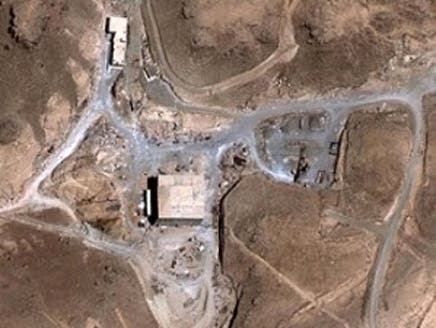
The al-Kibar facility in eastern Syria was destroyed in an Israeli airstrike in 2007 amid international suspicions that Syria had been pursuing an undeclared nuclear program. IAEA inspectors recently returned to the site to monitor excavation work and examine newly uncovered infrastructure consistent with a nuclear reactor.
Al-Ukla said Syria’s future policy would focus on expanding the peaceful use of nuclear energy, including in health, energy, food and water sectors.
He said the strategy was intended to support sustainable development, strengthen local communities and enhance international confidence in Syria’s nuclear activities.