
Syrian lawmaker urges new strategy to support farmers in Hasakah
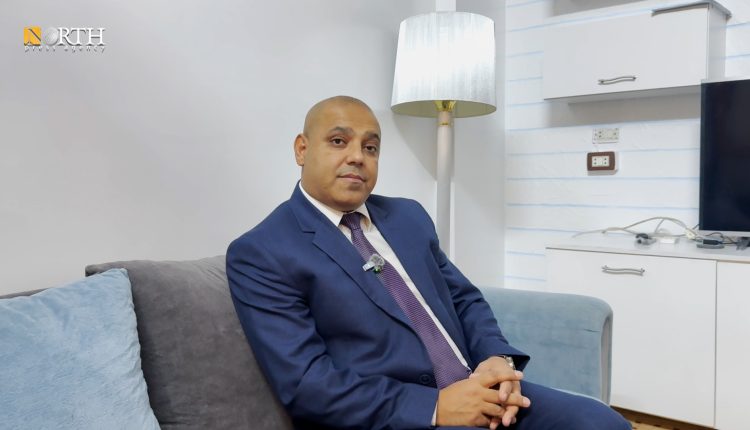
HASAKAH, Syria (North Press) – Supporting agriculture and farmers remains a top priority for Hasakah Governorate, Syrian parliament member Ahmad Murad told North Press on Sunday, calling for a comprehensive overhaul of agricultural support policies in Syria.
Murad said Hasakah’s agricultural sector, long considered the country’s food basket, requires sustained and strategic investment to overcome longstanding challenges.
“As a member of parliament, I am deeply concerned about Hasakah’s agricultural wealth and the historical obstacles it has faced,” Murad said.
“There should be a clear mechanism to preserve and strengthen the agricultural sector through consistent and balanced support.”
He stressed that the current system of agricultural assistance should be reassessed, arguing that support should focus on production rather than solely on crop procurement.
“Farmers should receive support from the moment they purchase seeds before planting and throughout the entire agricultural season,” he said. “When it comes to marketing the harvest, the process should be simplified, while support should target production costs through energy supplies, seeds and fertilizers rather than relying only on higher purchase prices.”
Murad described agriculture as a strategic pillar of Syria’s economy, saying the country’s recovery depends on revitalizing the sector.
“This is not merely a service issue; it is a strategic economic issue for Syria,” he said. “The country’s progress begins with agriculture because Syria is fundamentally an agricultural nation.”
On public services, Murad called for the rehabilitation of Hasakah’s deteriorating road network, saying roads across the Governorate require extensive maintenance.
Addressing the city’s water crisis, he said the issue is “beginning to be resolved in a fundamental way,” adding that tangible results are expected soon.
On education, the lawmaker, who previously served as an adviser at the Ministry of Education, said around 20,000 teachers and administrative employees with various academic qualifications have now been integrated into the Ministry of Education’s staffing structure.