
IRC says Syria remains unsafe for returnees despite 1M returning
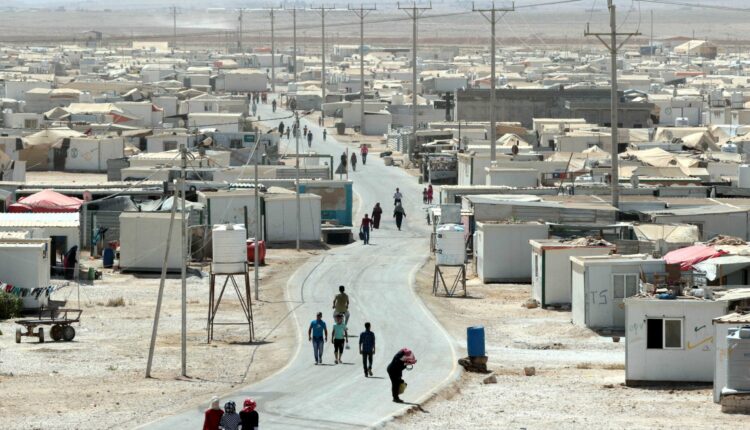
QAMISHLI, Syria (North Press) – As over one million Syrian refugees have reportedly returned from neighboring countries, the International Rescue Committee (IRC) cautioned on Wednesday that conditions inside Syria remain unsafe, unstable, and far from conducive for large-scale, dignified returns.
Juan Gabriel Wells, IRC’s Country Director in Syria, said the fall of the Assad-led government rekindled hopes for refugees, but stressed that “returning under today’s conditions is, for too many, not the same as returning safely, with dignity, or with any guarantee of permanence.”
A recent IRC assessment highlighted severe challenges facing returnees, including destroyed homes, limited access to jobs, food, water, and healthcare, and exposure to ongoing insecurity, sectarian violence, and localized conflict, most recently in Suwayda.
Explosive remnants of war pose a deadly risk, with 87 percent of households reporting unexploded ordnance within 10 kilometers of their homes. Children and newly arrived returnees are often most at risk, with 525 people killed since December 2024 alone.
The IRC added that Syria’s infrastructure remains devastated, with over 80 percent of electricity networks, nearly half of hospitals, two-thirds of water systems, and one-third of schools are damaged or nonfunctional.
Meanwhile, international support is collapsing, with only 15 percent of the 2025 Humanitarian Response Plan funded, leaving 16.5 million Syrians without sufficient assistance, according to the IRC.
It warned that refugee intentions to return are declining, with just 18 percent now expressing willingness. Wells emphasized that “every Syrian who wishes to return home deserves to do so in safety and with dignity” and called for sustained international investment in humanitarian aid, livelihoods, development, and reconstruction.
The IRC stressed that safe, voluntary, and dignified returns are only possible if global actors uphold their responsibilities to both returnees and those who remain displaced.