
ISIS Weapons Likely Procured From SNA – Arms Experts
QAMISHLI, Syria (North Press) – A visual investigation by Conflict Armament Research (CAR), a UK-based investigation organization, suggests ISIS weapons, like those used in the January 2022 attack on Hasakah, were procured from the Turkish-backed opposition factions, also known as Syrian National Army (SNA).
CAR compared nine weapons seized at the al-Sinaa prison attack in January 2022; an anti-ISIS raid in Abu Khashab, Deir ez-Zor in November 2021; and a similar operation near the Hawl Camp in September 2022.
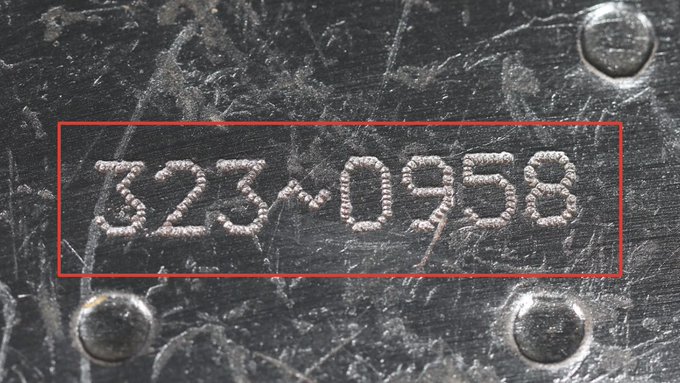
All nine weapons exhibited a distinct code applied with a dot-peen machine, which was “consistent” across “size, font, and pattern,” and was not a mark of the manufacturer, the report says.
CAR says it did not find this code across over 1.000 weapons it has documented in Syria between 2014 and 2017, and in northeast Syria since 2020.
“CAR’s analysis strongly suggests that this marking indicates that these nine weapons were all at one point in the custody of Turkish-backed SNA forces.”
The report compares the markings to similar patterns seen in SNA propaganda videos.
CAR further suggest the first three digits of the code could stand for the SNA’s legion, division, and brigade, and thus identify single factions who likely sold part of their weapons cache to ISIS.
Of the nine weapons being investigated, CAR says five may have belonged to Sultan Murad Division, an SNA faction active in Afrin’s Sharran area. The other four were identified as belonging to Samarkand Brigade, al-Sham Legion, Suqour al-Sham, and Mu’tasim Division, respectively.
According to CAR, the marks could be a way of tracking “stockpile inventory of firearm assignations to single individuals or units”.
Turkey established the SNA in 2016 and has launched three consecutive invasions of northern Syria with their help. It attempted to professionalize the SNA by dividing it into three legions, and multiple brigades and divisions.
However, the SNA consists largely of freestanding factions, which vary in outlook from outright jihadist groups to merely criminal enterprises, and are often at odds with one another.
Turkey uses SNA factions to police the areas of Syria it occupies. However, SNA groups often engage in violations against the local population and infighting, leading to further deterioration in regional security.
Turkish-held Syria has emerged as a relative safe haven for ISIS. Multiple US-led Coalition operations have targeted the extremist organization’s leadership in the region in recent months, including one in December 2022.