
Israel considers policy shift toward Syria amid de-escalation efforts
DAMASCUS, Syria (North Press) – Israel is considering resetting its policy toward Syria amid efforts to reduce tensions with Damascus and Ankara and resume security contacts with the Syrian side, an Israeli political source said on Wednesday.
The source, described as a political official by Al-Monitor, said Israel is moving to reduce tensions with Turkey and Syria. The report comes amid efforts to improve ties with U.S. Syria envoy and Ambassador to Turkey Tom Barrack.
The source said the shift from Israel’s previous hard-line position toward Syria may also be linked to Prime Minister Benjamin Netanyahu’s desire to appease U.S. President Donald Trump, who is pushing for an agreement between Israel and Syria, in the hope of securing Trump’s support for Netanyahu in the upcoming Israeli elections.
A senior Israeli security official, speaking to Al-Monitor on condition of anonymity, said the high-level contacts represent a retreat from Israel’s previous position, which focused on preventing an alliance between Syria and Turkey and limiting Turkish influence in the region.
The security official said Israel’s security establishment is divided over how to deal with Syria.
He explained that the military recommended the strike on the Syrian facility based on intelligence indicating Turkish involvement there, while another camp within the security establishment believes that reaching an agreement with Damascus serves Israel’s interests.
Even those who support moving toward an agreement with Syria believe that a comprehensive settlement is currently unrealistic, the official said, because Syrian President Ahmad al-Sharaa is unlikely to abandon his country’s claim to the Golan Heights, which Israel annexed more than five decades ago and which no Israeli government is expected to relinquish.
He said that they should instead focus on an interim agreement, with U.S. and international guarantees, that would improve Israel’s security and close at least one front that currently requires the deployment of large numbers of troops and resources.
Neither side has anything to lose from such an agreement; there are only gains, the official added.
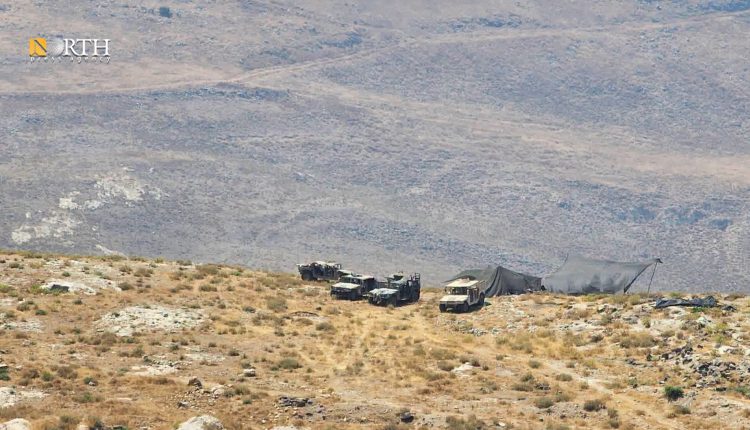
The official said an interim agreement would not require costly Israeli concessions, including a withdrawal from border positions Israel seized after the fall of former Syrian President Bashar al-Assad in December 2024.
The official said that they actually do not need the five positions Israel took on the Syrian side, nor the summit of Mount Hermon, and that they managed quite well without them in the past.
He added that, unlike the threat posed by Iran-backed Hezbollah along Israel’s border with Lebanon, Israel could defend communities along the Syrian border if necessary without maintaining positions inside Syrian territory.
Al-Sharaa is prepared to remove heavy weapons from the area between Damascus and the Israeli border, so the benefits of such an interim agreement for Israel are significant, the official noted.
He added that such an agreement would also have a broad and profound impact on the entire Middle East, relations with Turkey and the overall climate.
The reported shift comes amid recent high-level contacts between Israel and Syria. Reuters reported that Mossad chief Roman Gofman spoke by phone with Syrian Foreign Minister Asaad al-Shaibani on Aug. 14 about Turkey’s military presence in Syria, four days before Israel struck the Abu al-Duhur airbase.