
Independent Institution in Syria needs cooperation to succeed – IGO
QAMISHLI, Syria (North Press) — ICMP, a treaty-based Intergovernmental Organization (IGO), said that the Independent Institution on Missing Persons in Syria is to have the full and meaningful participation of victims, survivors and the families of missing persons according to the Resolution.
Director-General of the International Commission on Missing Persons, Kathryne Bomberger, said, in a press release, that the debate in the UN General Assembly had shown that countries understand the importance of this issue.
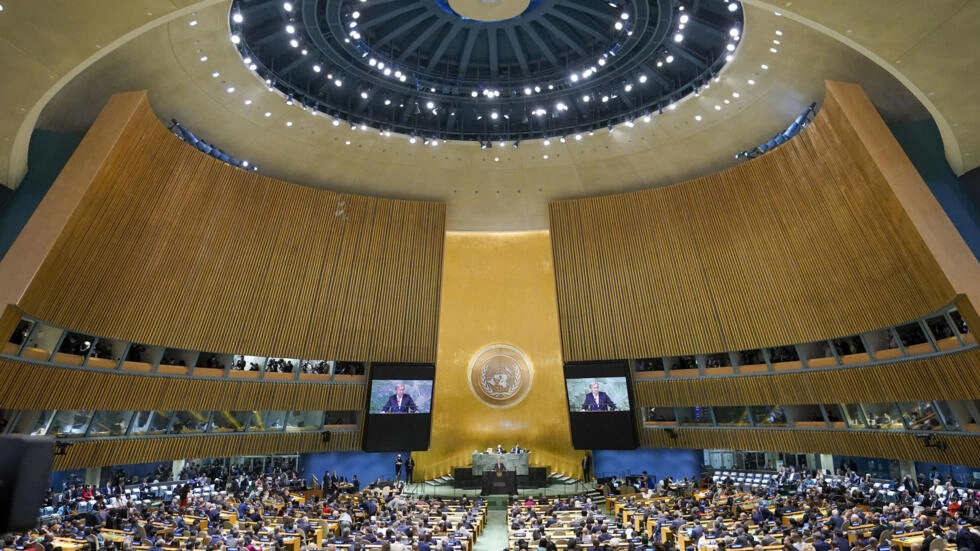
On June 30, the General Assembly adopted a draft resolution to establish a first-of-its-kind institution that will work to reveal the fate of an estimated 100,000 people missing or forcibly disappeared in Syria.
The resolution was adopted by a vote of 83 in favor to 11 against, with 62 abstentions.
Since 2011, more than 100,000 individuals have gone missing or been forcibly disappeared by Syrian authorities and other parties to the conflict, including armed groups such as ISIS.
In 2021, Syrian families and survivors called for the creation of a new independent, humanitarian institution that will focus on victims’ inalienable right to know the truth about their loved ones.
The 83 states that voted in favor of the Resolution know that accounting for tens of thousands of missing people is an “indispensable element” in restoring justice and peace to Syria, she added.
The ICMP has worked with Syrian organizations to develop a Central Data Repository on Missing and Disappeared Persons, and more than 70,000 Syrian relatives of the missing have so far submitted data.
The Policy Coordination Group (PCG), launched in 2020 and facilitated by ICMP, has developed a series of policy proposals articulating the rights of the missing and disappeared, of detainees and their families.
Bomberger emphasized that the success of the Independent Institution in addressing missing persons in Syria depends on practical and ongoing collaboration among Syrians, with support from the international community and neighboring regional governments. This collaboration should be guided by a shared strategy and led by Syrians themselves, including members of civil society.