
Syria, Iraq to face existential threats due to neighborhood policies, lack of rainfalls
ERBIL, Iraq (North Press) – Each of Syria and Iraq are about to face existential threats as a result of climate crisis and the severe scarcity of rainfalls that the region witnessed during 2020, in addition to the decline in the water levels of large rivers such as the Euphrates.
On this regard, Iraqi President, Barham Salih warned, on Wednesday, of the consequences of the climate crisis, which creates an existential threat to the future of his country.
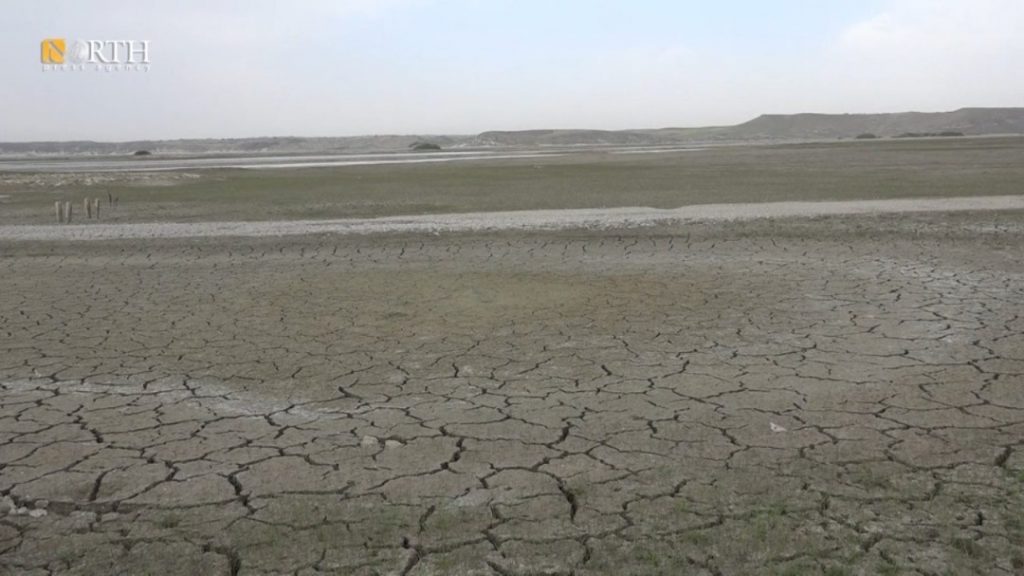
Meanwhile, Syria shares Iraq this description, especially with areas of northeast Syria witnessing a significant decline in the Euphrates River, bringing its level down by about five meters since the beginning of the summer of this year.
The Iraqi president suggested that the Iraqi population will double from 40 to 80 million, by 2050 referring to the risks of shrinking green spaces.
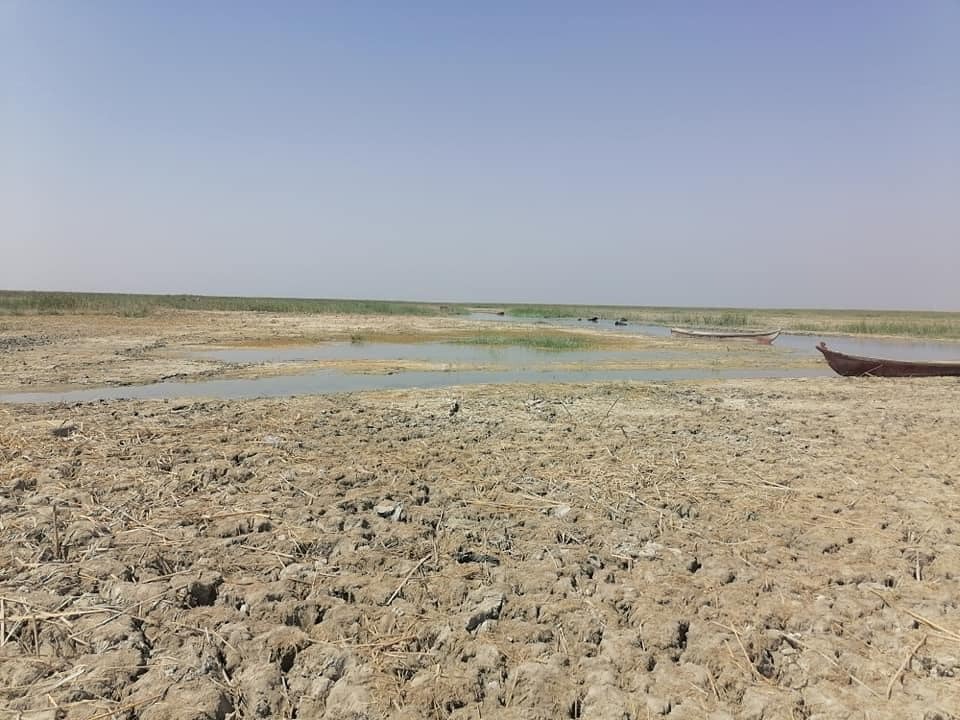
Desertification affects 39% of the spaces in Iraq, and 54% of agricultural lands are at risk of being damaged due to salinization and water scarcity of the “Tigris and Euphrates arteries,” according to Barham Salih.
Iraq is ranked fifth among the most fragile countries in the world in terms of water and food shortages and extreme temperatures, as water deficit is expected to reach 10,8 billion m³ by 2035.
A report by Human Rights Watch (WHR) issued in 2019, accused the Iraqi authorities of inaction to adequately manage and regulate water resources in Iraq, which deprived millions of the country’s population of drinking water.
As for the neighboring country Syria, local authorities in Syria’s northeast accuse Ankara of the weaponizing water against them, while Syrian government remained silent without using its presumed powers against Turkish practices, leaving the Autonomous Administration of North and East Syria (AANES) in a big challenge facing this issue alone.
Three months ago, the Iraqi Ministry of Water Resources announced the Syrian government’s approval on authorizing Baghdad to discuss water quotas with Turkey on its behalf.
This took place due to the Turkish insistence, during most of the negotiating sessions on water quotas, on the presence of the Syrian party, the Iraqi Ministry of Water Resources said in a former statement.
During the current year, Syria witnessed a decrease in livestock and agriculture productions which caused massive damage to economic field, as residents suffered from thirst and drought especially after the Turkish forces and Turkish-backed Syrian armed factions seized water resources in Sere Kaniye (Ras al-Ain) leaving about millions of residents of Hasakah city suffering from water shortage.
Last year, an HRW report stated that the inaction of the Turkish authorities to ensure adequate water supplies to areas in northeastern Syria was detrimental to the ability of humanitarian organizations to equip vulnerable communities to protect them, in light of the spread of the Corona virus.
The humanitarian organization called on the Turkish authorities to make every possible effort to resume pumping water from the Alouk station.
However, Turkey continues threating, giving blind eyes and deaf ears to all calls, according to official statements and residents of the area.
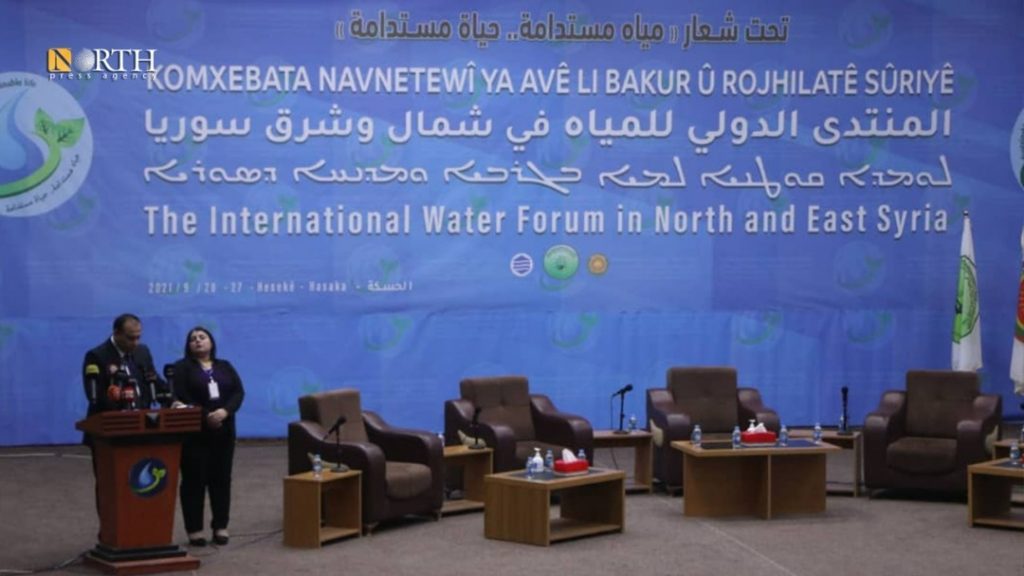
Last week, the International Water Forum in North and East Syria, which lasted for two successive days, was hold in the city of Hasakah with the attendance of representatives of local and international civil organizations.

the International Water Forum in North and East Syria – North Press
The final statement of the forum denounced “the Turkish state’s policies in diverting water as a political weapon against the population, and working to submit a general and comprehensive report to the bodies and organizations of the UN, the EU, and international human rights organizations.”
The statement also called on “the international community to pressure the Turkish state to reverse its policy and breach of laws (…) and to assume its humanitarian duty in the region regarding the effects of water cuts and scarcity and their impact on communities and refugee camps,” in addition to filing a lawsuit against Turkey for “violating public international law.”
The statement guided the Autonomous Administration “to solve water problems through dialogue and cooperation with the relevant authorities, such as Iraq and Syria, and international organizations, as it is a humanitarian issue, and to contribute to projects that support water sources, secure sustainable sources for them, and build small and medium dams on small rivers.”
Iraqi attempts
In Turn, Iraq seeks to solve its water issues with the neighbors through negotiations aiming at obtaining its legitimate share of the Tigris and Euphrates, which flow from Turkey, and the rivers flow from Iran.
The Turkish projects are one of the facts that cause waves of drought in Iraq, and the most prominent of these projects is filling reservoirs of Ilisu Dam on the Tigris in 2019, which led to a significant decrease in the river level and caused big damage to agricultural field and fisheries in the country.
Since 2019, Baghdad has been trying to solve the water issue with Turkey in high-level coordination reaching no final understanding so far.
In April, the Parliamentary Agriculture and Water Committee in Iraq called for the importance of having consensus with Syria on the amount of water in order to be an “important pressure card on Turkey” for the flow of water to them.
“The consensus between the two brotherly countries on the amount of water will be an important pressure card on Turkey for the flow of water to them according to agreements that are not affected by any crisis,” head of the Parliamentary Water Resources Committee, Salam al-Shammari, said in a former statement.
In mid-March, a conference on water was hold in Baghdad during which the permanence of negotiations with Turkey and Iran was emphasized to reach understandings in this regard.