
Syrian Ministry of Religious Endowments discourages issuing a fatwa to break Ramadan fast due to coronavirus
North-Press Agency
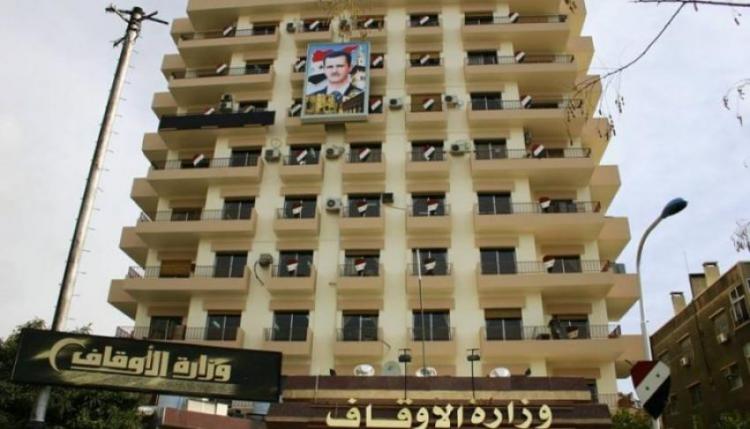
On Wednesday, the Syrian Ministry of Religious Endowments (Awqaf) discouraged the fatwa (Islamic legal ruling) of the former Mufti of Egypt, Ali Jomaa, who authorized breaking the fast in Ramadan due to the risk of the spread of the novel coronavirus.
Hassan Awad, an advisor to the Minister of Awqaf, said in press statements that after communicating with doctors, they confirmed that the virus is a low risk to those who do not suffer from diseases and who are self-isolating in their homes, and therefore fasting will not harm them. Because of this, they have reservations about issuing a fatwa to authorize breaking the fast during Ramadan.
Awad excluded patients advised by doctors to break their fast, in addition to travelers and those who do hard labor, adding that breaking the fast to prevent dry throat lacks evidence.
The Endowment Adviser justified his reservations about the fatwa by stating that that people of all sorts will use this fatwa to break the fast during the month of Ramadan.
On Monday, Ali Jomaa stressed the necessity to follow doctors’ instructions during Ramadan, pointing out that doctors advise drinking water continuously, because dry throat may increase the risk of infection with coronavirus.
Jomaa added that following doctors' advice in cases of danger to human life is a duty and violating it is forbidden, stressing that the offender is considered a sinner because cases like these are seen as similar to suicide.
The al-Azhar Global Center for Fatwas said that the fatwa is premature and it is not permissible to break the fast in Ramadan, unless it is scientifically proven by doctors that fasting will make people vulnerable to infection and death.
On its website, the World Health Organization mentions a recommendation regarding the relationship of drinking water with COVID-19, which says, "it is important to drink water to maintain the level of moisture in the body, which preserves public health, but drinking water does not protect against COVID-19 infection.”