
5.73 million remain displaced inside Syria despite returns – IOM
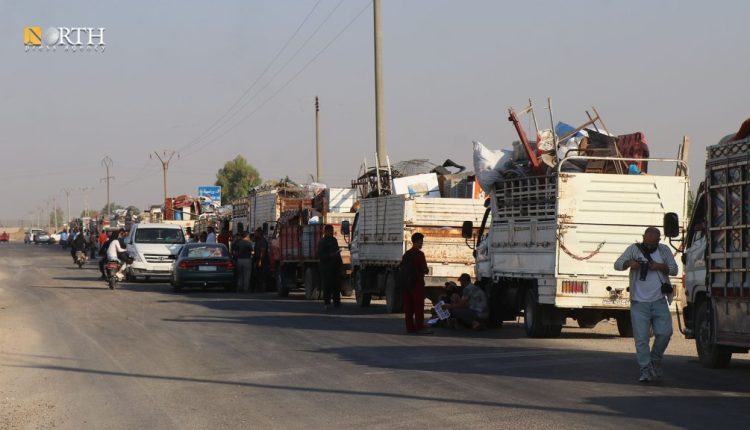
QAMISHLI, Syria (North Press) – More than 5.7 million people remain internally displaced across Syria despite over two million returning to their areas of origin since the fall of Bashar al-Assad’s regime in late 2024, the International Organization for Migration (IOM) said on Friday.
According to the IOM’s Displacement Tracking Matrix (DTM), about 5.73 million people are currently internally displaced in Syria, while an estimated 2.19 million have returned to their places of origin since December 2024.
The UN migration agency said conditions vary across the country. While conditions for newly returned people are generally favorable, several obstacles continue to affect the sustainability of returns.
These include psychological distress, limited access to basic services, a lack of legal documentation, child protection risks, community safety concerns and family separation, an IOM spokesperson told Rudaw.
Access to essential services, employment and sources of income remains among the main challenges facing returnees, including in northeastern Syria.
More than a decade of conflict forced millions of Syrians from their homes, with displacement particularly affecting areas that experienced repeated fighting and shifts in territorial control.
Asked about assistance for displaced Kurds seeking to return to their cities and villages, IOM said its programs are based on humanitarian needs rather than ethnicity.
“IOM supports voluntary, safe, dignified, and informed returns where conditions permit,” the spokesperson said, adding that assistance is determined by humanitarian needs, vulnerabilities, national priorities and available resources.
The agency said it coordinates its work with the Syrian government, UN partners, civil society organizations and local communities.
Despite the scale of returns since late 2024, the number of internally displaced people remains high, underscoring the challenges facing Syrians seeking to rebuild their lives in areas of origin.