
NGOs call for no-fly zone in NE Syria over Turkish attacks
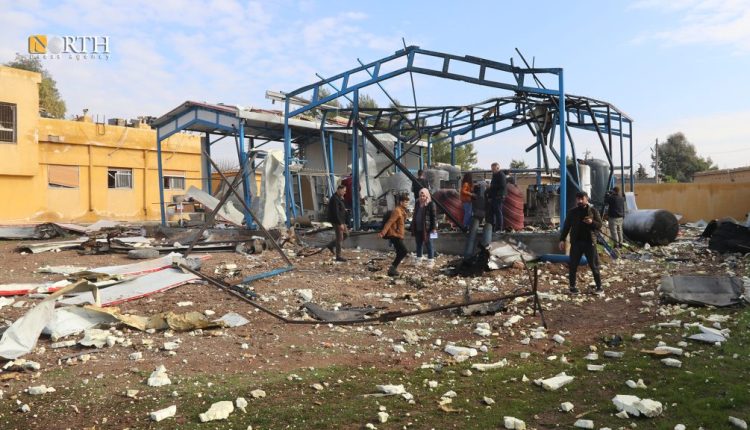
QAMISHLI, Syria (North Press) – On Thursday, 158 Syrian humanitarian, human rights, and media organizations called for a no-fly zone and an end to Turkish bombardment in northern and northeastern Syria, which has targeted vital infrastructure and caused casualties.
In a joint statement, the organizations voiced their concerns over the escalating Turkish military aggression in northern Syria, which has coincided with Christmas, New Year celebrations, and the conflict in Gaza. They highlighted the destructive nature of these attacks, which have specifically targeted vital infrastructure, oil and energy facilities.
The organizations stressed the indispensable role of these facilities in sustaining the lives of the civilian population, including Kurds, Arabs, Syriacs, Assyrians, and hundreds of thousands of IDPs.
According to international humanitarian law, vital infrastructure should be protected. This law specifically forbids attacking or destroying objects that are necessary for the survival of the civilian population, the statement said.
The organizations called upon the United Nations Security Council and the European Union to take immediate action to protect civilians and uphold their basic rights. Furthermore, they urged the Turkish government to comply with the international humanitarian law, refrain from exporting its internal conflicts to Syrian territory, and put an end to the repeated human rights violations.
In addition, the organizations urged the U.S.-led Global Coalition to close the airspace in its areas of control in northern Syria to Turkish drones and warplanes.
The joint statement emphasized the importance of intensifying efforts to gather evidence of grave human rights violations committed by all conflicting parties against civilians and civilian infrastructure throughout Syria, including the ongoing Turkish violations in the region.
Since Dec. 23, Turkey has launched drone strikes, airstrikes, artillery shelling against civilians and vital infrastructure facilities in northern and northeastern Syria, leaving behind casualties.