
Dialogue session in Qamishli discusses rights of stateless Syrian Kurds
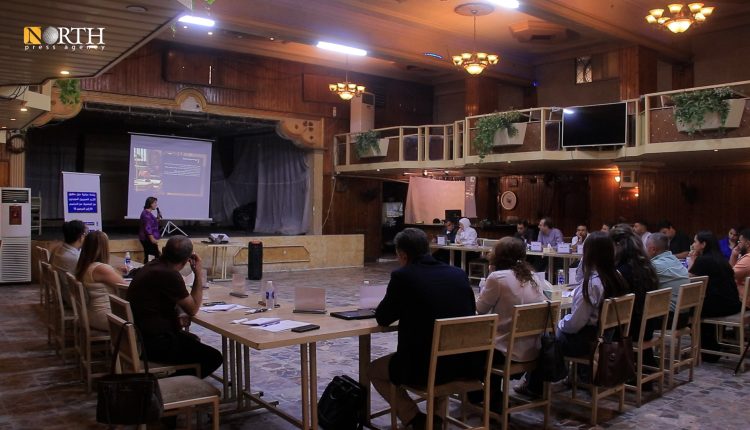
QAMISHLI, Syria (North Press) – A dialogue session in the city of Qamishli, northeastern Syria, on Wednesday examined citizenship rights of Syrian Kurds affected by the 1962 census, seeking recommendations to address legal, civil and social consequences during Syria’s transitional phase.
The Advocacy Initiative, in cooperation with the Omran Center for Strategic Studies, part of the Syrian Forum’s programs, organized the session titled “Rights of Syrian Kurds Deprived of Citizenship: From Decree 39 to Decree 13.”
The participants discussed legal developments related to citizenship, examine their social and civil impacts, assess current measures, and develop practical recommendations for a research paper.
Osama Mohammed, project coordinator at the Advocacy Initiative, told North Press that the session focused on “Decree 13, the deprivation of thousands of Syrian Kurds of citizenship through the 1962 census, and its consequences and impacts.”
“The decree did not cover all Kurdish rights, and no implementing regulations have been issued for it so far,” he added.
Mohammed said the session brought together people deprived of citizenship, including those registered as Maktumeen al-Qayd (unregistered) or as foreigners, to hear about the problems and challenges they face and discuss how they can be part of Syria while not being officially registered in the country.
“Through these stories, we will seek by the end of the session to compile recommendations and findings and present them to the relevant authorities,” he said.
Mohammed added that the organizers will build on the Qamishli session with another session in Damascus to develop recommendations and outcomes. He said the Omran Center for Strategic Studies, part of the Syrian Forum program, is a partner in the initiative.
Meanwhile, Maan Talal, director of research at the Omran Center for Strategic Studies, told North Press that the session would focus on unresolved issues related to Decree 13 and the repercussions of the 1962 census.
“These issues do not only concern those deprived of civil registration and people whose citizenship status is undocumented; they have been passed down through generations,” Talal said.
He described the session as a key step toward developing a roadmap to address the challenges from the perspective of those directly affected.
The session will also examine ways to address the consequences of statelessness and lack of civil registration, which Talal described as among the major legal issues in modern Syrian history.
Talal said the Qamishli workshop will be followed by another in Damascus, with both aimed at political and legal advocacy on the issue. Representatives from several sides are expected to participate, including relevant government institutions and people directly affected by the issue.
“These recommendations will be translated into practical measures within the context of Syria’s transitional phase,” Talal said, describing the process as a roadmap requiring time, resources and sustained efforts, but stressing that starting the process was the main step launched by the workshop.