
IAEA says destroyed Syrian reactor could have produced weapons material
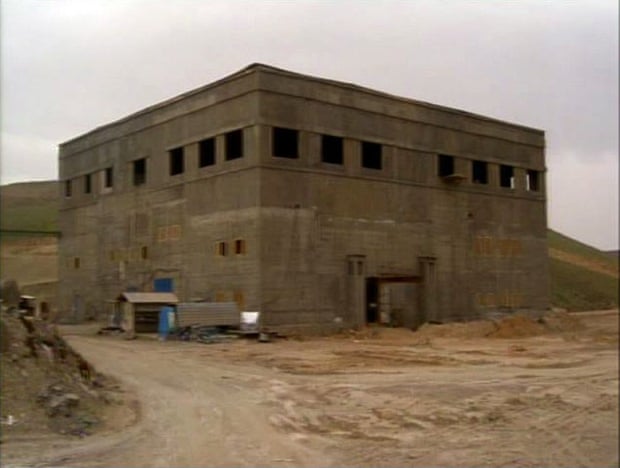
QAMISHLI, Syria (North Press) – A nearly completed nuclear reactor secretly built under former Syrian President Bashar al-Assad could have produced fissile material potentially usable in nuclear weapons, Rafael Grossi, director general of the International Atomic Energy Agency (IAEA), said on Monday.
Grossi said that the reactor’s configuration and technical features indicated that it was highly efficient at producing fissile material.
“Given the configuration, the technical features of that type of reactor, this is a reactor that is very efficient in the production of fissile material that could be used directly for the fabrication of nuclear weapons,” Grossi told reporters after opening the Vienna-based agency’s quarterly board of governors meeting.
The reactor, located in Syria’s eastern Deir ez-Zor Governorate, was allegedly built with assistance from North Korea and was destroyed in an Israeli airstrike in 2007. Israel publicly acknowledged responsibility for the operation in 2018.
Grossi added that IAEA inspectors recently visited the Deir ez-Zor site and another previously undisclosed location identified by Syrian authorities. During an August visit, inspectors confirmed that newly uncovered cooling infrastructure was consistent with that of a nuclear reactor.
The IAEA also verified the presence of about 73 tons of natural uranium metal at the previously undeclared site, according to a confidential agency report seen by the Associated Press.
Grossi indicated that inspectors had to tear down walls and pass through narrow passages to reach the material, which had been hidden at the site.
He pointed out that the uranium was now under IAEA safeguards and that inspectors had installed surveillance cameras to monitor it.
Natural uranium metal cannot be directly used to build a nuclear weapon but could potentially be diverted and further processed into plutonium suitable for a weapons program, according to Logan Mintz of the Nuclear Threat Initiative.
The UN official said that the Syrian transitional government would ultimately decide whether the material remained in the country or was transferred elsewhere, stressing that the IAEA’s priority was maintaining continuous knowledge of its location.