
Abdi says neighboring countries oppose Kurdish-language education in Syria
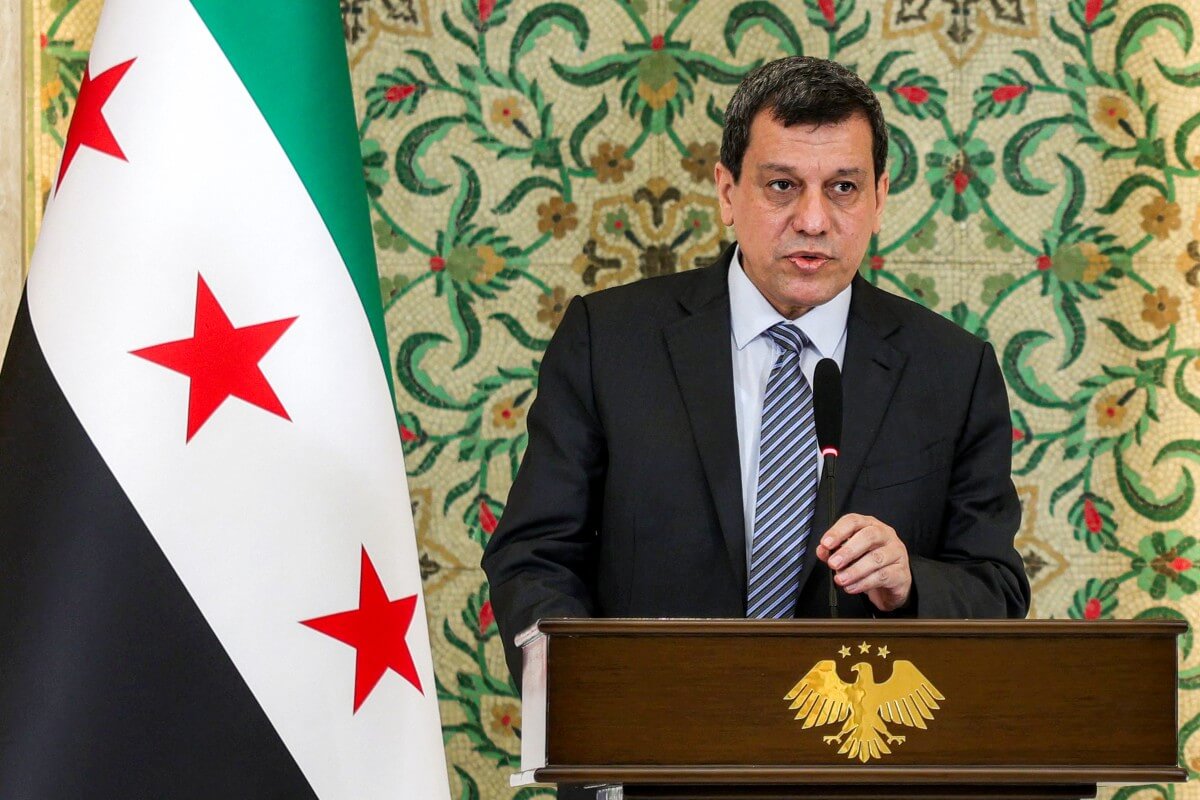
QAMISHLI, Syria (North Press) – Former Commander in Chief of the Kurdish-led Syrian Democratic Forces (SDF), Mazloum Abdi, on Friday said that opposition to Kurdish-language education in Syria comes from both domestic parties and neighboring countries, days after Damascus ended full Kurdish-medium education in Kurdish-majority areas of northeast Syria.
Abdi told Turkey’s pro-opposition Ilke TV, “The issue of the Kurdish language is not only limited to Syria, but extends to several other countries, including its neighbors.”
Abdi, who now serves as Adviser to the Syrian Presidency, said, “Obstacles also originate from the outside, particularly from countries that have issues with the Kurdish language.”
Abdi did not identify the countries. Turkey, a key ally of the Syrian transitional government, imposed restrictions on Kurdish language for decades before gradually easing them in the early 2000s.
He also said some parties inside Syria oppose Kurdish education.
The Kurdish language has become one of the main points of contention between Kurdish authorities and Damascus as the two sides implement an integration agreement.
Syrian Transitional President Ahmad al-Sharaa in January issued Decree 13, recognizing Kurdish as a “national language” and allowing it to be taught in public and private schools in areas with significant Kurdish populations. The decree also recognized Kurds as an integral part of the Syrian people and pledged to protect their cultural and linguistic identity.
The Education Ministry later prepared Kurdish-language curricula for the 2026-2027 academic year.
Under new instructions issued in late August, Kurdish is taught for three classes a week in public and private schools in Kurdish-majority areas. Students can also study social studies, history, geography and philosophy in Kurdish or Arabic as a transitional measure.
The system, however, replaces the full Kurdish-medium education introduced by the Autonomous Administration in northeast Syria more than a decade ago.
The change has triggered protests by Kurds demanding that Kurdish remain the main language of instruction.
Abdi welcomed the recognition of Kurdish in state schools as an unprecedented step in Syria’s history, but said Kurds should continue pushing for broader linguistic rights.