
U.S., Iran miss nuclear deal deadline as June truce falters
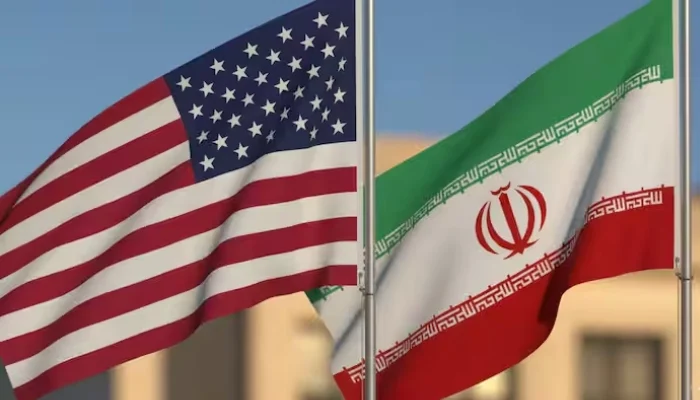
QAMISHLI, Syria (North Press) – The United States and Iran on Monday missed a 60-day deadline to reach an agreement aimed at curbing Tehran’s nuclear program, underscoring the collapse of a June cease-fire that U.S. President Donald Trump had presented as a path toward ending the conflict.
The deadline was part of a memorandum of understanding announced by Trump in June following months of escalating hostilities between Israel, the United States and Iran. The agreement called for further negotiations on Iran’s nuclear program while providing a temporary halt to fighting.
The deadline’s expiration was largely symbolic, as Trump and Iranian officials had already indicated in recent weeks that the agreement was effectively dead.
The failure to reach a deal also highlights the difficulties facing the Trump administration in achieving its stated objectives, including preventing Iran from advancing its nuclear program and restoring freedom of navigation through the Strait of Hormuz.
The strategic waterway remains effectively restricted by Iran after Israeli and US attacks earlier this year. Tehran has used its control over the strait, a major route for global oil and gas shipments, to increase economic pressure on Washington.
There have been no publicly reported U.S. strikes on Iranian targets since late July. However, Washington and Tehran appear to be preparing for a prolonged economic confrontation that could escalate into renewed military action.
The Trump administration has revoked sanctions waivers on Iranian oil that were granted during the truce and reimposed a naval blockade of Iranian ports in an effort to pressure Tehran into concessions.
Iran, meanwhile, appears to be betting that it can withstand economic pressure longer than the United States, particularly as Trump faces congressional midterm elections in November.
“The Islamic republic is trying to put the economic crunch on America, and America is trying to put the economic crunch on the Islamic republic,” Behnam Ben Taleblu, an Iran expert at the Foundation for Defense of Democracies, told The New York Times.
The June agreement had sought to postpone the most contentious issues surrounding Iran’s nuclear program for subsequent negotiations. US officials had hoped the arrangement would also help reopen the Strait of Hormuz and ease pressure on global energy markets.
Instead, the truce deteriorated rapidly. Iranian officials cited what they described as ambiguous provisions in the agreement to restrict some vessels from passing through the waterway without Tehran’s approval. Iranian forces subsequently fired on some ships, prompting US retaliation against targets in southern Iran.
The ensuing escalation led Trump to consider launching a major military offensive against Iran on at least two occasions. He ultimately backed away after regional allies, including Saudi Arabia, urged restraint and White House advisers warned about declining stocks of critical munitions.
The failure of the 60-day deadline leaves Washington and Tehran without a functioning framework for resolving the nuclear dispute, while the risk of renewed military confrontation remains high.