
U.S. signals support for repeal of Caesar Act sanctions on Syria
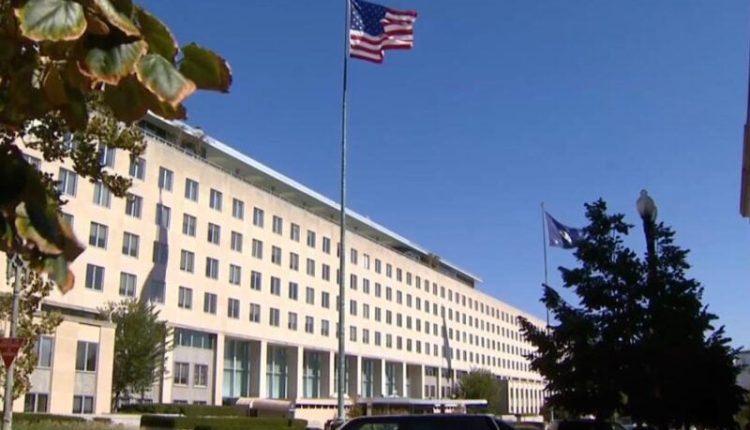
QAMISHLI, Syria (North Press) – A U.S. State Department spokesperson said on Saturday that the Trump administration supports repealing the Caesar Act sanctions on Syria through the National Defense Authorization Act (NDAA), which is currently being discussed by U.S. lawmakers.
“The United States is in regular communication with regional partners and welcomes any investment or engagement in Syria that supports the chance for all Syrians to have a peaceful and prosperous country,” a State Department spokesperson said.
The move signals a major policy shift in Washington’s approach toward Syria, where a transitional government has been in place since the ouster of former president Bashar al-Assad in December 2024. The potential repeal of the Caesar Act is viewed as a key step toward enabling reconstruction and encouraging foreign investment in the country’s post-conflict recovery.
The Caesar Syria Civilian Protection Act was enacted in 2019 and imposed sweeping sanctions on the Assad regime and anyone engaging in business with it, including foreign companies and investors.
The law aimed to hold the regime accountable for war crimes committed during the civil war and to prevent reconstruction funding from benefiting Assad and his allies.
Following Assad’s removal in late 2024 and the formation of the Syrian transitional government under President Ahmad al-Sharaa, U.S. and regional policymakers began reassessing the utility of the sanctions, which now hinder the country’s recovery and limit humanitarian and reconstruction efforts.
The transitional authorities have repeatedly called on Washington to lift the Caesar sanctions, arguing that they no longer target a repressive regime but instead obstruct efforts to rebuild infrastructure, stabilize the economy, and reintegrate millions of displaced Syrians.
Regional powers, including Jordan, Iraq, and Gulf states, have also urged the U.S. to reconsider its sanctions policy to facilitate trade and investment with Syria’s new government.
If repealed, the move would mark one of the first major steps by Washington to re-engage economically with post-Assad Syria and could pave the way for a broader normalization process between Damascus and its neighbors.