
Oil production cut pushes Biden to reconsider ties with Saudi Arabia
QAMISHLI, Syrian (North Press) – US President Joe Biden promised “consequences” for Saudi Arabia after a Riyadh-led coalition of oil-producing nations sided with Russia to reduce production.
“I am in the process, when the House and Senate comes back, there’s going to be some consequences for what they’ve done with Russia,” Biden told CNN on Tuesday.
The 13-nation Organization of the Petroleum Exporting Countries (OPEC) and its 10 allies headed by Moscow angered the White House last week with its decision to reduce production by 2 million barrels per day from November, raising fears that oil prices could rise.
The move is seen a punishment for the United States due to its continued support for Ukraine in the war against Russia.
Earlier in the day, National Security Council spokesman John Kirby told reporters that Saudi Arabia played a key role in that production cut. He said Biden wants to discuss the future of US-Saudi relations with Congress, and whether those ties still serve the national interest or not.
“I’m not going to get into what I’d consider and what I have in mind. But there will be- there will be consequences,” Biden said. However, which consequences does the US President has in mind he did not disclose.
Kirby said the cut was “a short-sighted decision that benefited Russia, at a time when nobody – in any capacity – should be trying to benefit Vladimir Putin.”
The White House had made clear earlier that Biden was reassessing ties between the allies. Analysts say the Biden administration has limited options.
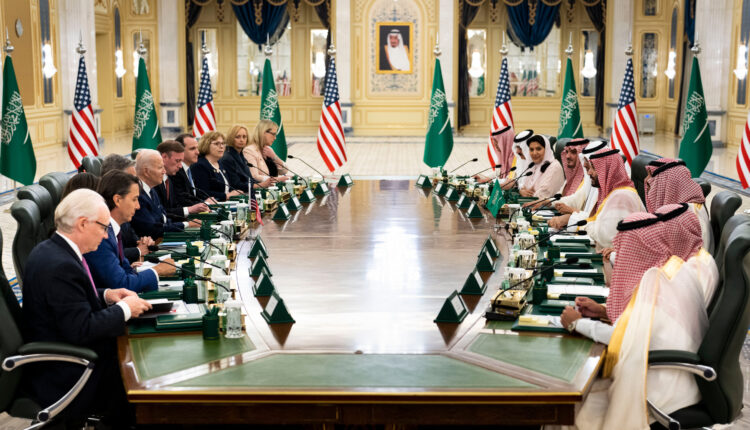
However, the distance between US and Saudi Arabia is much wider and goes beyond economic relations. In July, Biden visited the country he previously dubbed a “Pariah state.”
At al-Salam palace in Jeddah, Biden was said to have asked for oil production increase. That was not met by the young Saudi Crown Prince Mohammed bin Salman. He received a cool response. At the time, US analysts likened the visit by the President as a slap at the face.
In August, the US energy department told US refiners to build domestic inventories rather than export more fuel.
Last week, the administration said it is considering additional releases from its strategic reserve.
Penalizing oil-producing countries such as Saudi Arabia could also be counter-productive, resulting in a further disruption of supply to Europe at a time when western consumers need more oil, not less.
Strategically, and in a wider sense of the problem- geopolitically- the United States’ policy in the Middle East seems on the wane. The vacuum made by the US is being filled by the Russian President Vladimir Putin.
Since 2015, the Russian President seems to become the strongest man in the region. He has laid down solid basics for his policy the years to come. Syria and the Gulf States are to make the main pillars of Putin’s new policy in the region. Iraq could be included, too.
It seems, with substantiating evidences on the ground, that Saudi Arabia is no longer a “cow to be milked” by the United States, it is changing orbit, seemingly.