
Coronavirus vaccines will reduce number of infections: Syrian doctor in Erbil
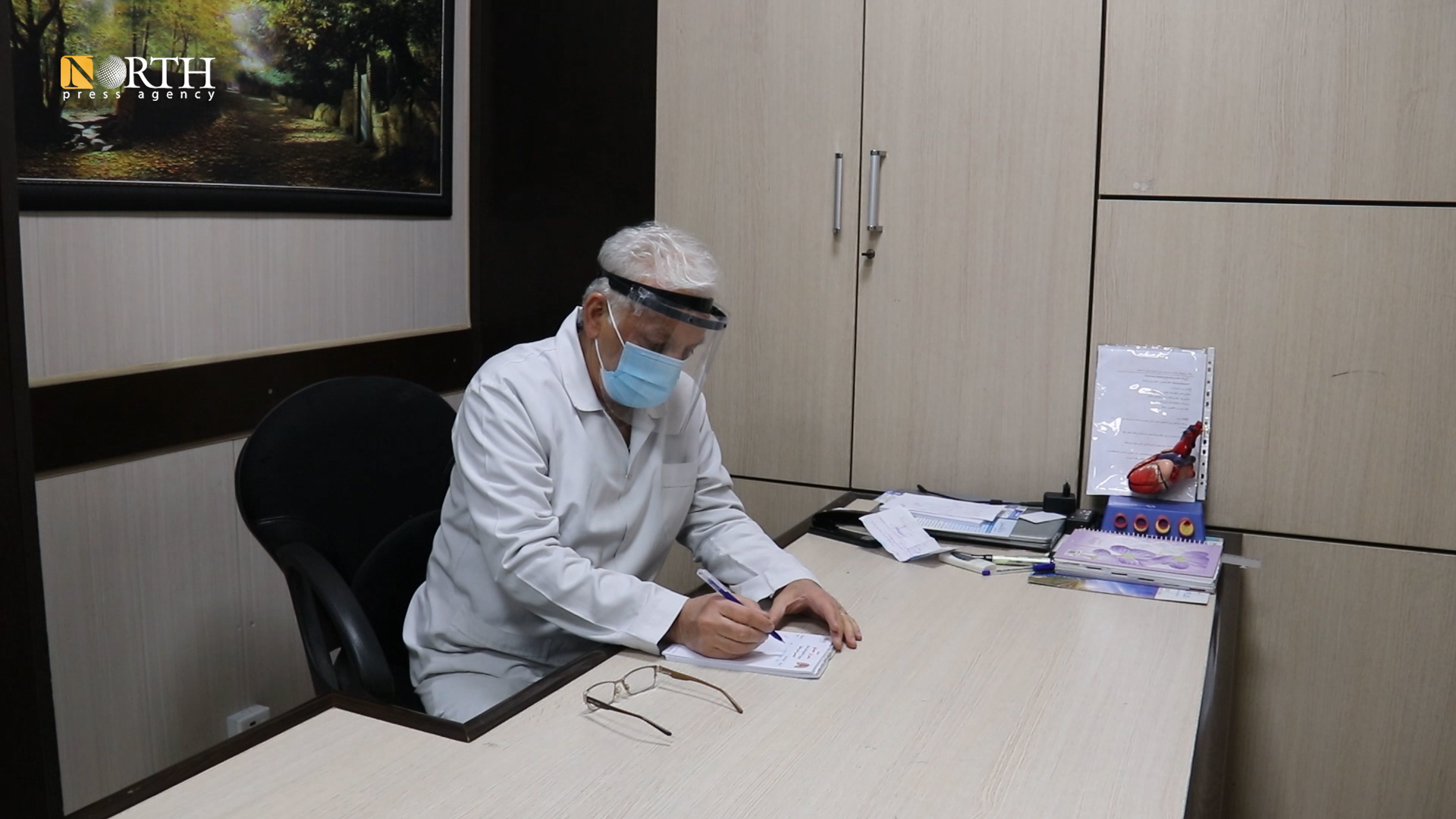
ERBIL, Iraq (North Press) – Omran Hamdi, a Syrian doctor residing in Erbil, the capital of the Iraqi Kurdistan region, said that the coronavirus vaccine will not end the pandemic, but it will contribute to curbing it.
“The mechanism of the activation of this vaccine is done by the first use of Messenger RNA of the virus in the human history, within micro-lipid bubbles, and injects it into the deltoid muscle of the shoulder on two batches with a 21-day-break,” Dr. Hamdi told North Press.
“These molecules stimulate human cells to produce Spike proteins where the immune system of the body attacks them so that the body is trained to face the virus in the future.”
“The vaccine is just a preventative means, and not curative, as there are no cures for the viruses,” he added.
“Pfizer-BioNTech passed all steps of serious testing for any vaccine, and it showed high effectiveness after testing it on 45,000 volunteers,” Dr. Hamdi noted.
The Iraqi Kurdistan region is witnessing a decrease in the number of daily infections with coronavirus, according to the statistics of the Ministry of Health in the region.
On Sunday, the Ministry recorded only 167 new infections throughout the region, compared to 389 earlier in December.
The total toll of the infections recorded in the region reached 100,296, of which 64,589 have recovered so far, while 3,291 died.
Many countries of the world are waiting for the first doses of the vaccine to be distributed to their citizens, amid conflicting reports about the safety and effectiveness of it.
On Monday, the US will start a massive vaccination campaign against coronavirus after rapid logistical preparations over the weekend.
On Sunday, the first truck carrying about 18,000 ampoules of the Pfizer-BioNTech anti-coronavirus vaccine left for distribution in Portage, Michigan, at a historic moment to combat the virus.
Recently, news about several vaccines against coronavirus, including the Pfizer-BioNTech, is spreading.